
About Mark
I've had more than one next chapter.
I used to think the goal was to figure things out — find the answer, make the plan, move forward.
My life hasn't worked quite that neatly.
That turns out to be the most useful thing I have to offer.
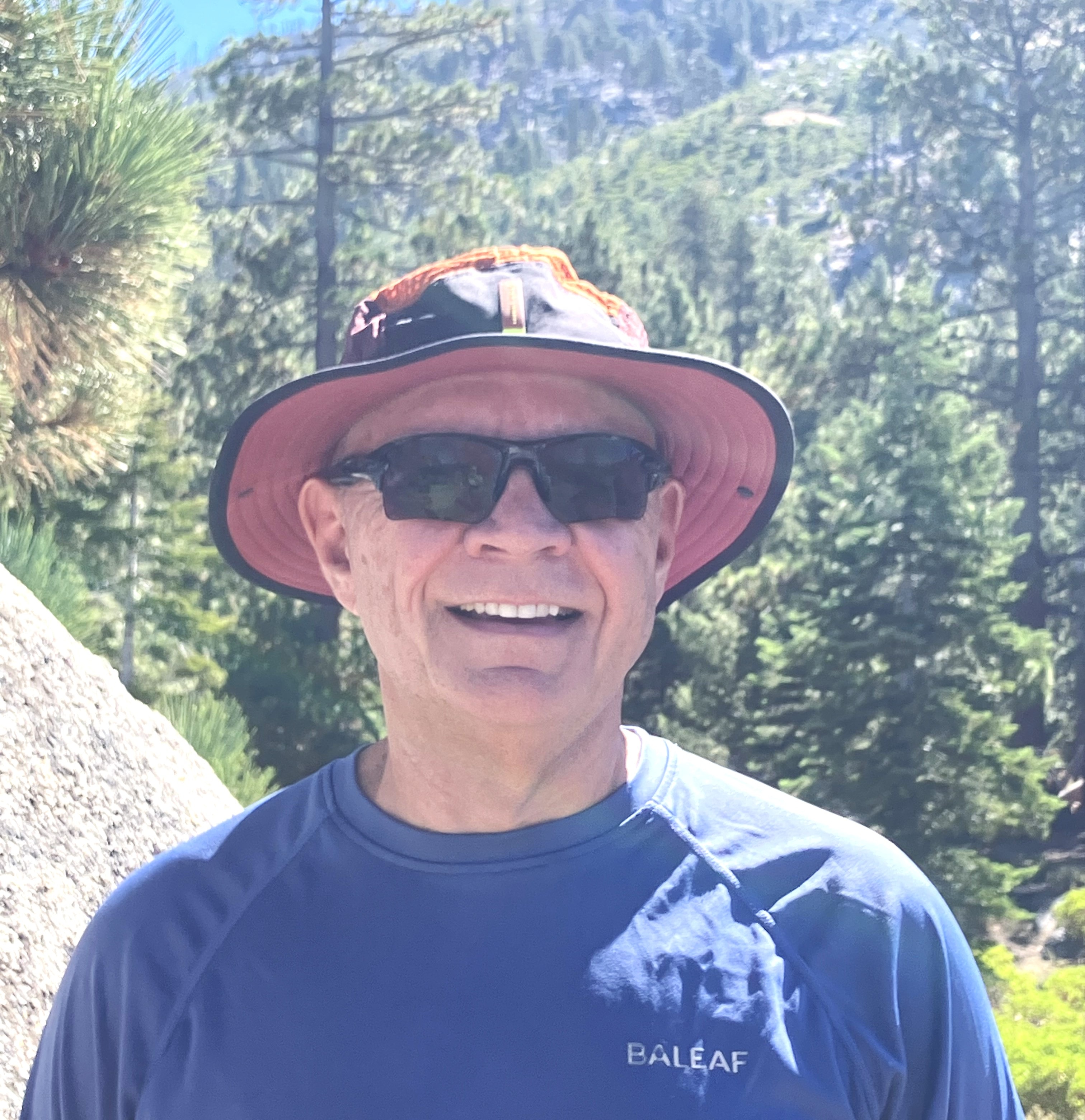

I grew up moving. By tenth grade I had attended ten schools. I'm not sure that explains everything, but it probably explains something — about learning to read rooms quickly, about paying attention to what people aren't saying, about finding your footing in unfamiliar places.
I joined the Air Force, went back to college, studied psychology, earned a master's degree in counseling, and spent several years working in mental health and substance-use treatment. The work required a particular kind of attention — listening for what was underneath what someone was telling you, noticing where the real difficulty was, asking the question that opened something up rather than closed it down. I was drawn to it because I was genuinely interested in how people change. And how often they don't, even when they want to.
Then I changed direction myself. Over the next fifteen years I moved through twenty jobs before finding a professional home where I stayed for fifteen years — building a career in business, consulting, and eventually coaching. The context was different. The work turned out to require much of the same thing: understanding what someone actually needed once you got past the first version of what they said they needed, recognizing the pattern underneath the problem, helping make something complicated manageable enough to act on.
What I kept noticing, across all of it, was that the most useful thing I could do in almost any situation was pay close attention and ask a better question. That was true in a counseling session. It was true in a boardroom. It turned out to be true in coaching as well.
Along the way I found running. Then longer distances. Eighteen marathons. An Ironman at 55. Movement gave me structure and a way of making sense of things. For a long time, it worked.
In 2022 I left my career. In 2023, three members of my immediate family died within 99 days, including both of my parents.
The structures I had relied on — professional identity, physical routine, the particular shape of my daily life — were gone or changed. The questions I had spent years helping other people answer became my own.
Why I write. Why I coach.
The work I do now isn't a departure from what came before. It's the same work in a different form.
Across thirty years — in counseling rooms, in organizations, in coaching conversations — what I kept coming back to was the same set of questions: What is this person actually dealing with, underneath what they're describing? What pattern keeps showing up? What would help them see this more clearly?
Writing is an extension of that. It's a way of paying close attention to something — midlife, transition, identity, loss, what comes next — and trying to describe it accurately enough that someone else recognizes it.
Coaching is the same impulse in conversation. I listen carefully, including for what isn't being said. I reflect things back. I ask questions that try to get underneath the presenting issue. And when the conversation calls for it, I'm direct — because warmth without honesty isn't particularly useful.
None of this is something I invented about myself. It's what people have told me, consistently, across a lot of different contexts. I've learned to trust it.
Background

My Board Certified Coach credential has a different foundation than coach training alone.
I earned a master's degree in counseling psychology and became a Licensed Professional Counselor—a path that included 2,000 hours of supervised professional experience. Years later, I completed postgraduate studies in business and executive coaching through a program that required at least a master's degree for admission.
The BCC brought those two backgrounds together, adding coach-specific experience, examination and ethical standards.
What matters to me isn't the collection of letters after my name. It's the experience behind them: years spent listening closely, recognizing patterns, asking useful questions and helping people make sense of complicated situations.
I've spent much of my professional life in conversations with people trying to understand what was happening, what mattered and what to do next. The settings have changed—counseling, business and coaching—but the work has often been remarkably similar: listen closely, notice patterns and ask the question that helps something become clearer.
But professional experience is only part of the background I bring to this work. I've also lived through enough change of my own to know that the hardest transitions rarely arrive with a clear set of instructions.
If something here resonates.
Read an essay, listen to a conversation, or reach out. There's no pitch on the other end — just a place to start.